Architecture
Historic Homes
An 1850s residence shaped by architecture, Carnival history, music, Hollywood, and the enduring spirit of New Orleans.
S
ome homes are more than addresses. They become witnesses to a city's history—shaped by the people who lived within their walls and the generations that passed their doors.At the corner of Coliseum and Second Streets stands one such residence. Built in the 1850s and known as the Joseph Merrick Jones House, 2425 Coliseum Street embodies the architecture, personalities, and unmistakable sense of place that make New Orleans unlike anywhere else.
New Orleans builds houses the way the city builds everything: slowly, layer by layer, with a tolerance for contradiction. A single façade here can hold Creole pragmatism, American ambition, and European aspiration all at once—and 2425 Coliseum is a study in exactly that synthesis.
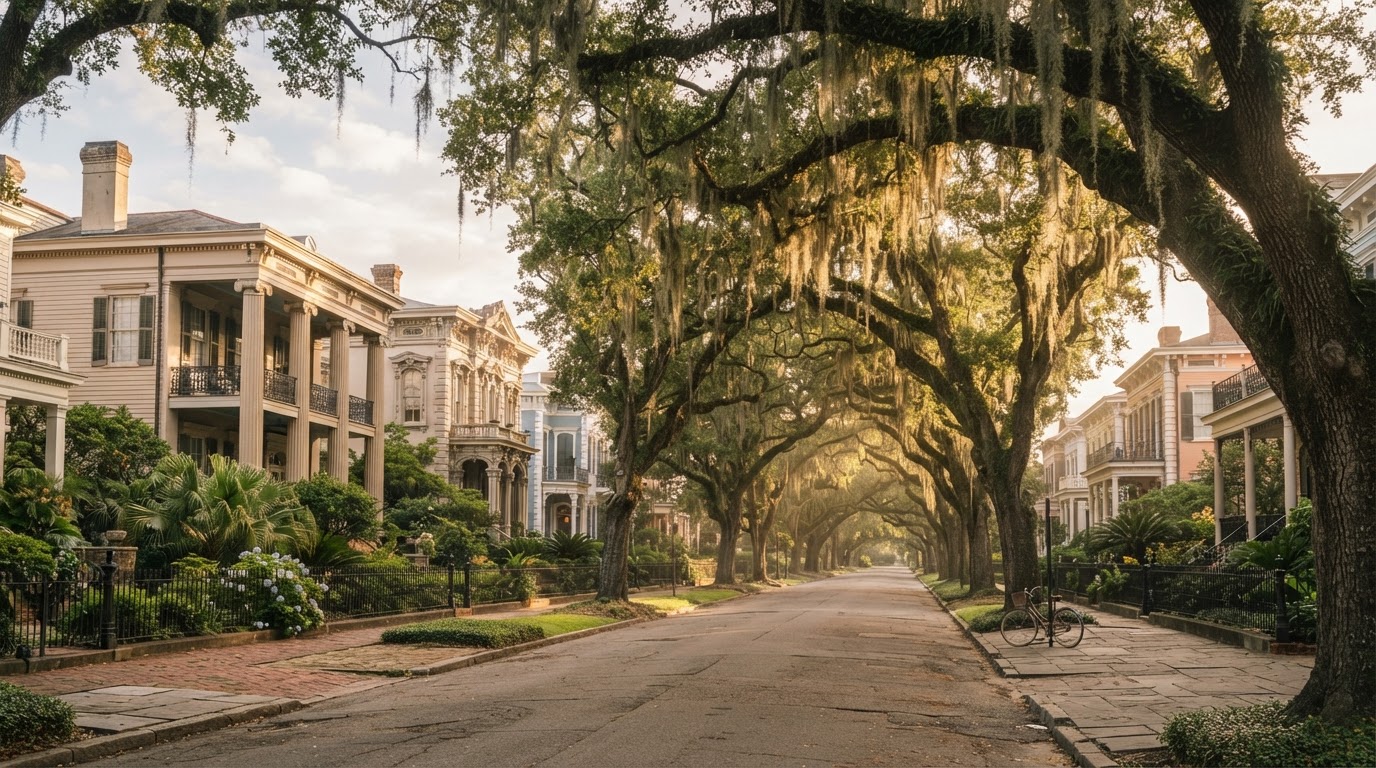
To stand at its gallery and look down Coliseum Street is to understand why this stretch of the Garden District became one of the most photographed residential blocks in America. The live oaks, the ironwork, the measured rhythm of the houses: it is a streetscape that was deliberate, even when it feels inevitable.
The residence dates to the 1850s, a decade when the Garden District was transforming from plantation land into one of the most fashionable addresses in the American South. Newly wealthy merchants, bankers, and planters commissioned homes that announced their standing through scale, materials, and architectural correctness.
These were houses built to be inherited. The proportions were generous, the construction was meant to outlast its first owners, and the details—plasterwork, mantels, joinery—were executed by craftsmen whose traditions traveled with them from older cities and older continents.
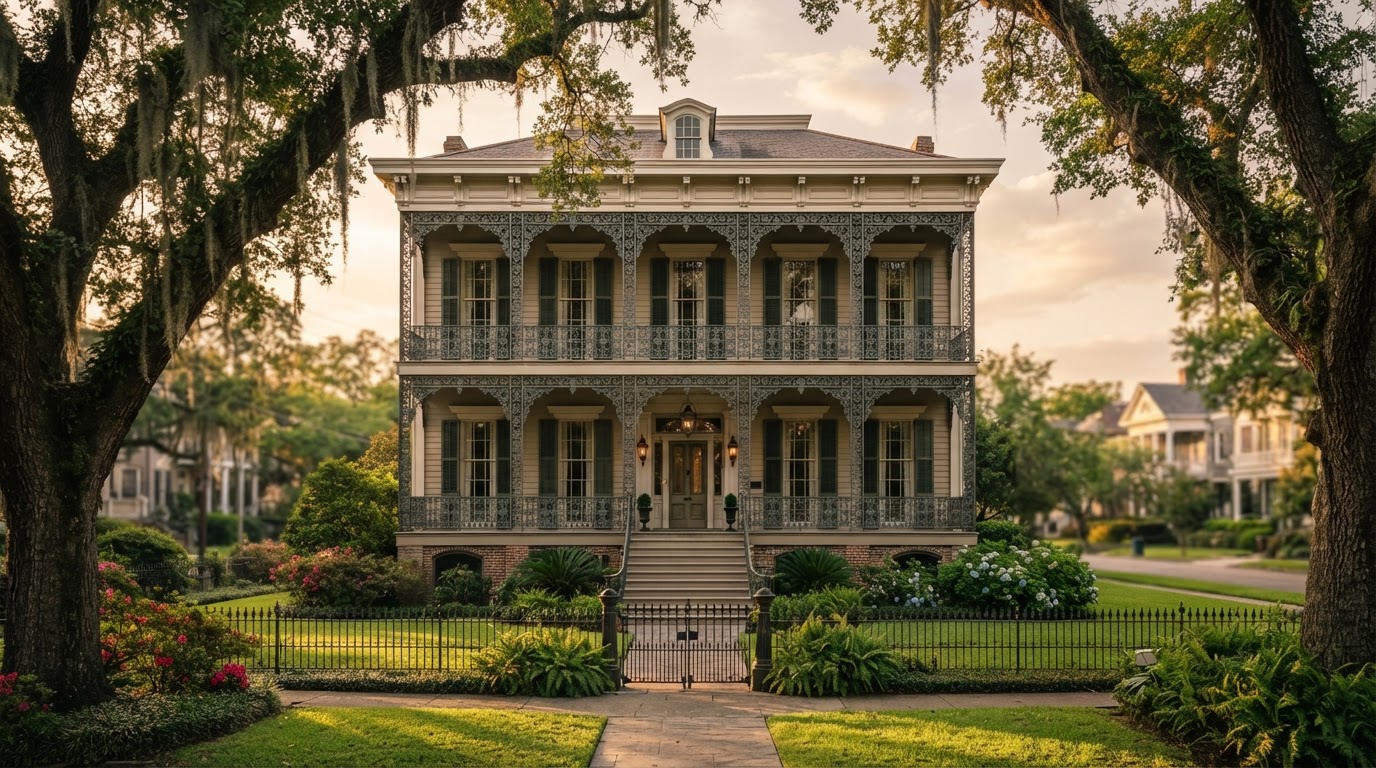
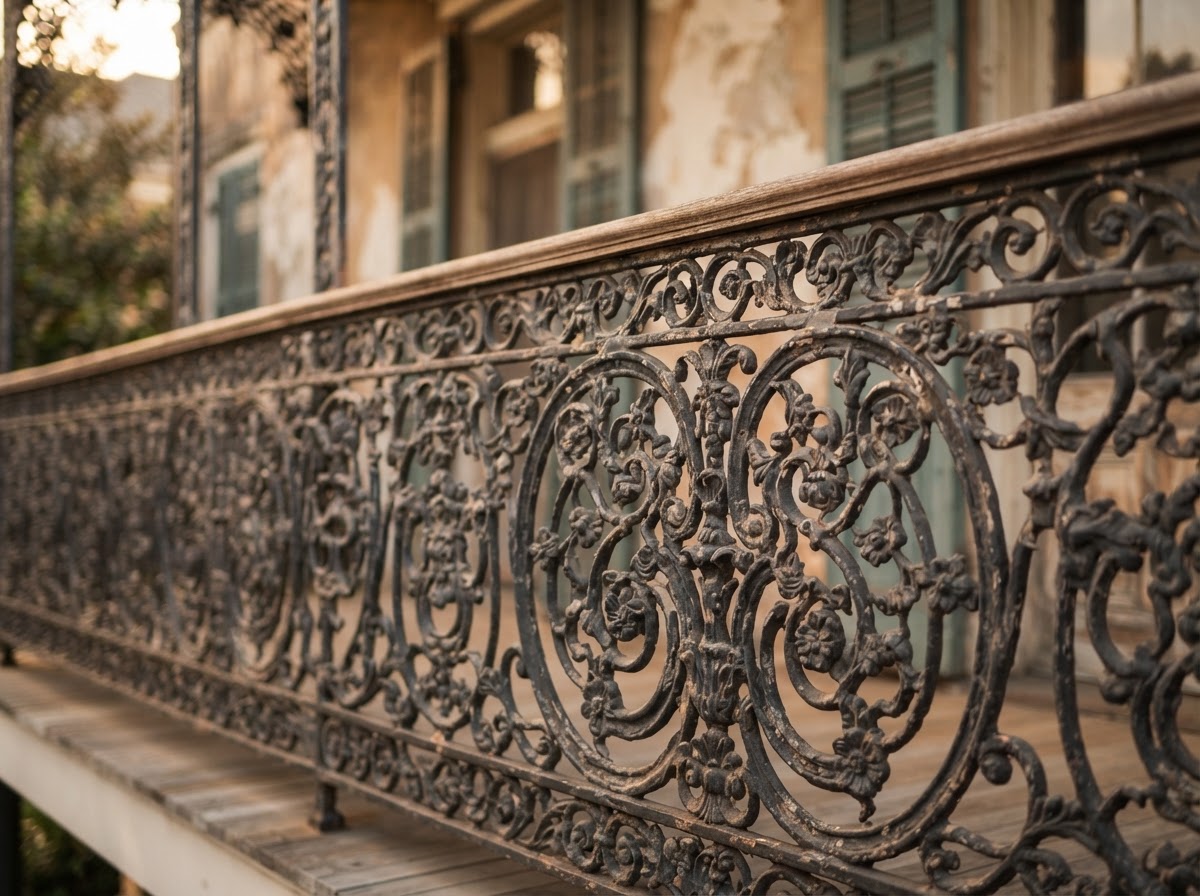
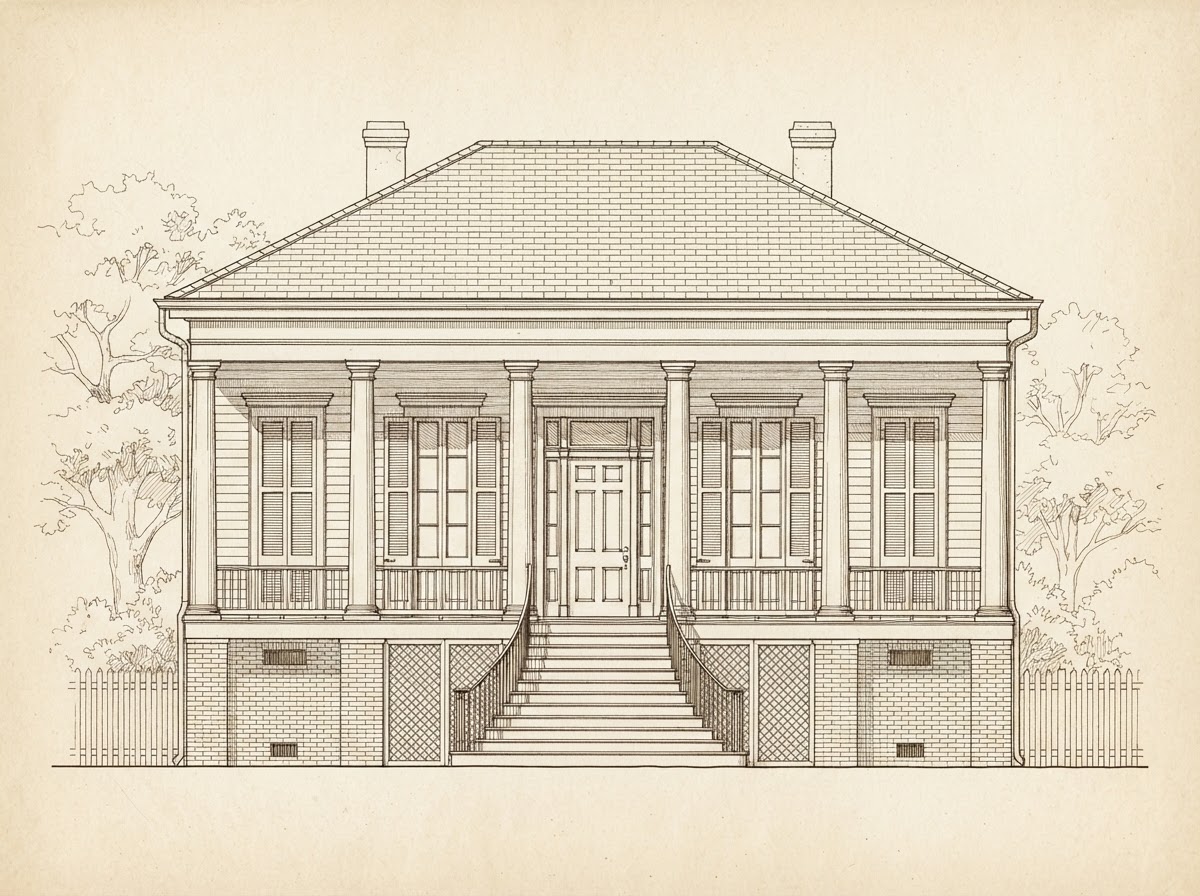
Stylistically, 2425 Coliseum sits at a productive intersection: the disciplined symmetry of Greek Revival and the romantic exuberance of the Italianate. The tall, narrow windows, the bracketed cornice, and the cast-iron gallery all speak the Italianate vocabulary, while the underlying massing and frontality retain the composure of the Greek Revival.
A single façade can hold Creole pragmatism, American ambition, and European aspiration all at once.
This blending is not compromise; it is characteristic of New Orleans, where styles arrived, overlapped, and were interpreted according to climate, material, and local taste rather than strict academic rule.
The house carries the name of Joseph Merrick Jones, a figure whose association with the property is part of its documented provenance. The naming of historic New Orleans homes after prominent residents is a long-standing local convention—one that binds a building to the human history running through it.
Across generations, the residence passed through hands that reflected the city's own evolution: its commerce, its social life, its institutions, and its cycles of preservation and reinvention.
Few American residential streets have a cultural footprint as large as Coliseum Street. The Garden District's connection to Carnival, to the city's musical heritage, and—through film and literature—to the broader American imagination gives houses here a significance that extends well beyond their architecture.
2425 Coliseum's proximity to that history is part of its story. The parades that pass along nearby St. Charles Avenue, the musicians who have walked these blocks, and the productions that have used the neighborhood as a backdrop all contribute to the sense that this is a house embedded in the cultural life of the city—not merely located within it.
The interior of a house of this period rewards close looking. Ceiling medallions, marble mantels, tall shuttered windows, and finely proportioned plasterwork are the vocabulary of mid-nineteenth-century New Orleans domestic architecture, and they survive at 2425 Coliseum as evidence of the craft that built it.
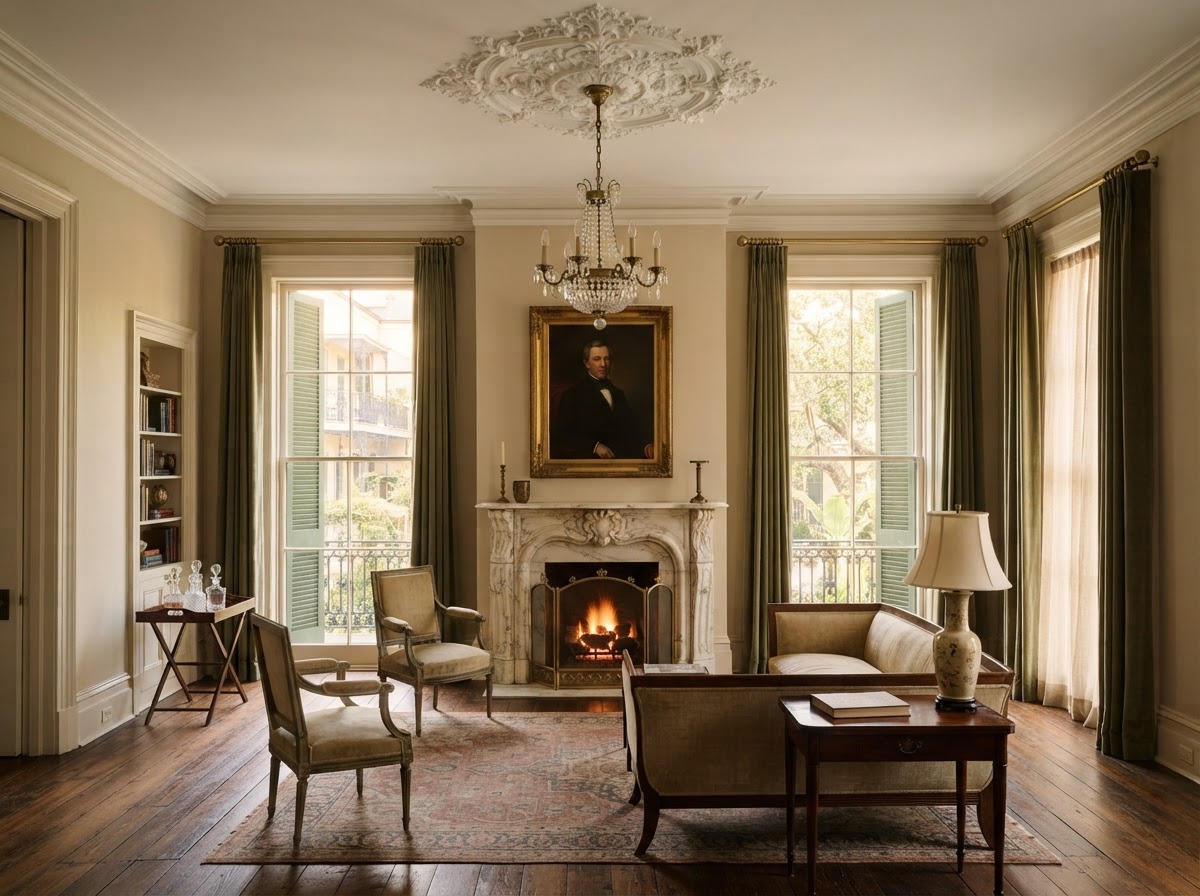
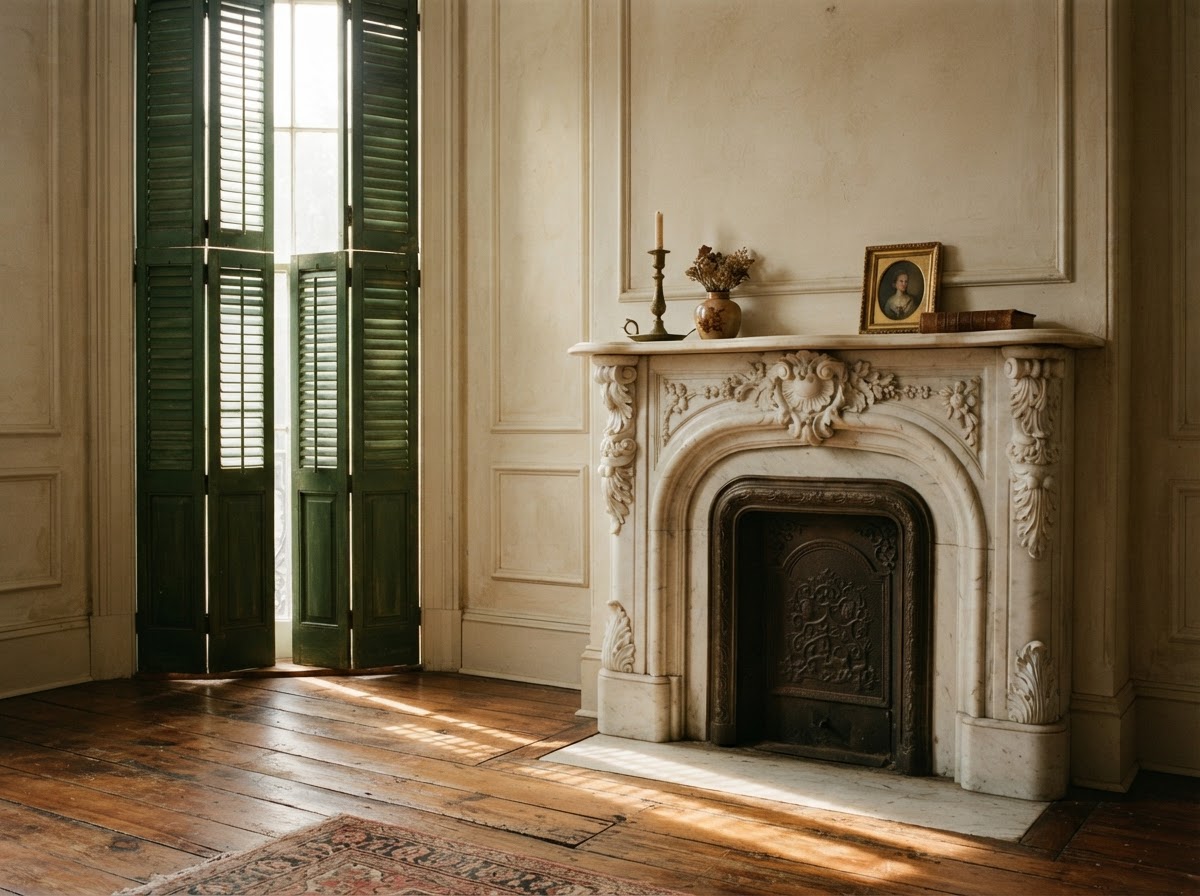
These elements are not merely decorative. The medallions originally anchored light fixtures; the mantels organized the social life of a room; the shutters managed light, heat, and storm. Form and function were inseparable.
Owning a landmark residence is an act of stewardship. The preservation of 2425 Coliseum has required balancing the integrity of its historic fabric against the demands of contemporary life—climate control, services, and the quiet modernizations that allow an old house to remain a home rather than a museum.
The Garden District's status as a protected historic district means that changes to the exterior are reviewed, ensuring the streetscape that gives the house its context is itself preserved.
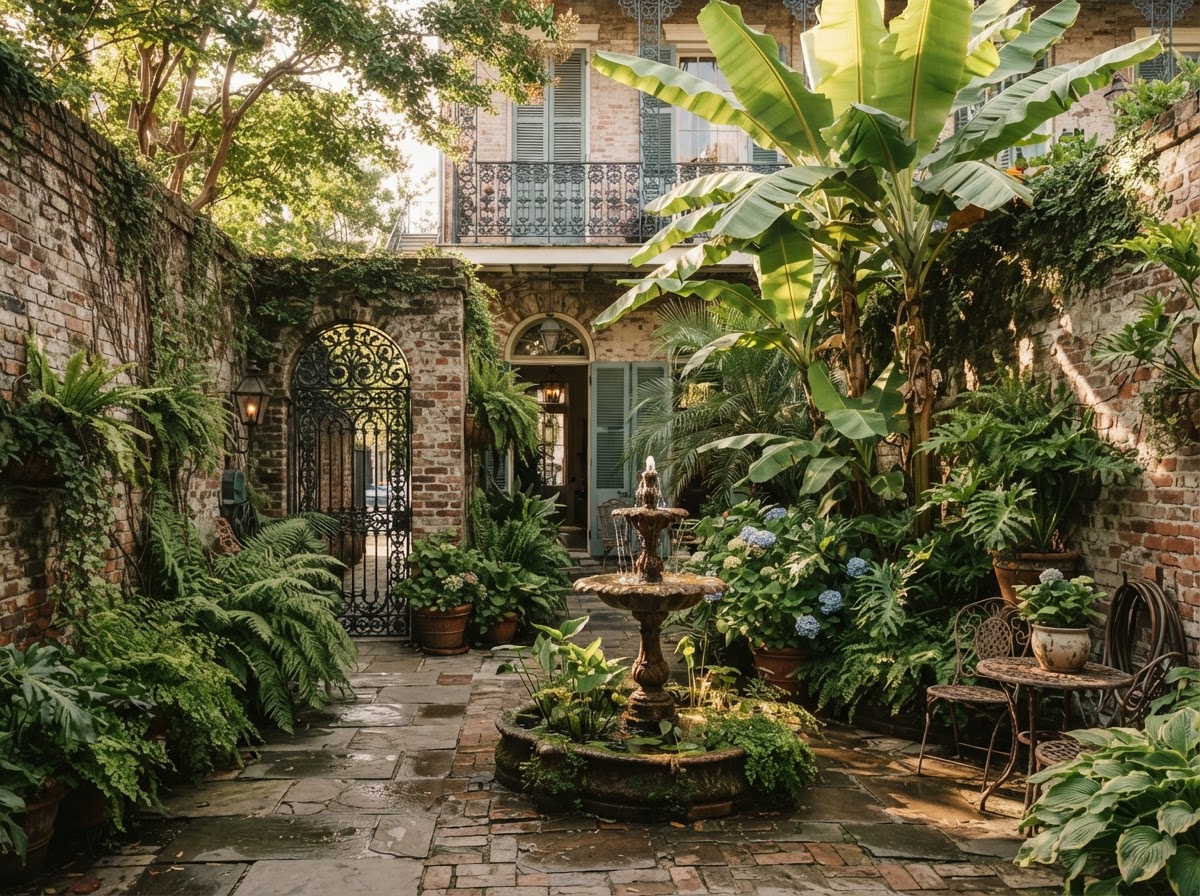
To live in the Garden District is to inhabit a neighborhood that functions as a daily archive. The walks to Lafayette Cemetery, the canopy of live oaks, the slow parade of visitors with cameras—all of it is the texture of life here, as much as the homes themselves.
In 2025, 2425 Coliseum Street was sold, marking the close of a chapter for the residence. The sale drew attention not only for the property itself but for what it represents: the continuing desirability of architecturally significant New Orleans homes, and the premium placed on provenance, integrity, and location.
The sale marked the end of one chapter—and the beginning of another.
Specific terms of the transaction are a matter of public record and should be consulted directly for verified figures. What matters editorially is not the price but the passage: a landmark home moving into new stewardship.
The sale marked the end of one chapter for 2425 Coliseum—but the beginning of another. Inspired by this remarkable residence, 2425Coliseum.com will continue exploring the homes, architecture, neighborhoods, and people that tell the larger story of New Orleans.
This is the inaugural story. Many more will follow—from behind the doors, galleries, and garden walls of a city unlike anywhere else.
Property facts should be independently verified. This article does not represent the residence as available for sale.
More stories from behind the doors of New Orleans, delivered occasionally.
Connect with a local real estate professional who understands the architecture, neighborhoods, and nuances that make every New Orleans property different.